
White Paper
The Intelligence Gap: Why AI in Legal Isn’t Delivering and What Needs to Change
This report examines why AI in legal is widely deployed but not yet delivering.
White Paper
Legacy case management systems may seem familiar and reliable, but they come with hidden costs that impact efficiency, compliance, and scalability. This white paper explores how outdated platforms hinder legal operations and how modern solutions can unlock measurable ROI across law firms and government agencies.
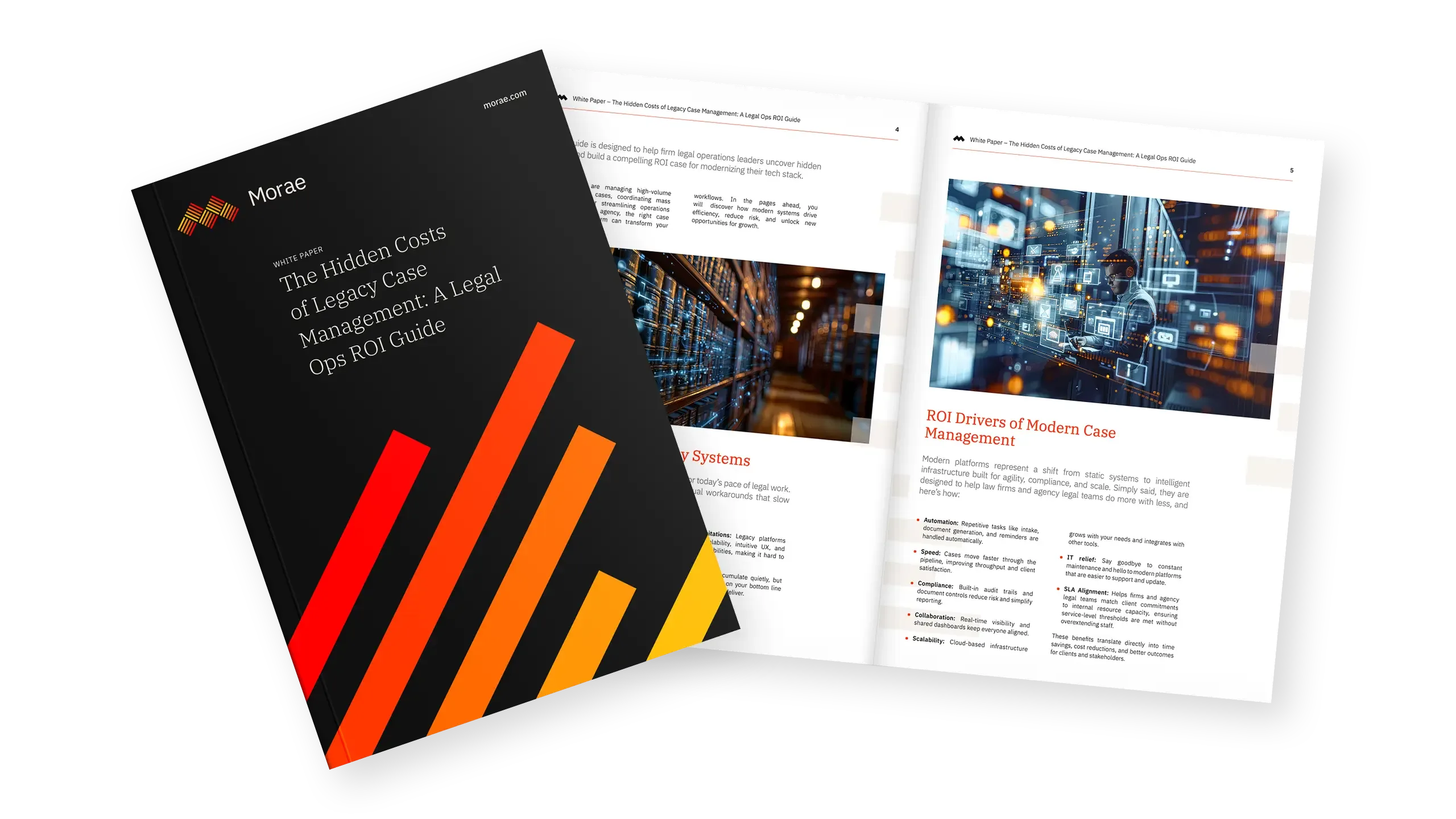
Many legal professionals are still relying on outdated case management systems that were never built for today’s demands. These legacy platforms slow things down, create unnecessary risks, and make it harder to deliver the kind of service clients and stakeholders expect.
Legal professionals looking to:
This guide features ShareDo, the modern case management platform that brings it all together your workflows, your data, your people. Built for legal operations, it helps teams work smarter, faster, and more collaboratively.
With Morae’s expert support, ShareDo makes transitioning from legacy systems seamless. From automation to compliance and scalability, it ties up the loose ends, so your legal operations run smoothly and deliver real results.
Morae research with 850 senior legal leaders shows the problem is implementation, not the technology. Fragmented data, weak governance and heavy human correction consume the efficiency gains AI was meant to deliver.
The verification tax is the cost of humans checking and reworking AI outputs. In the 2026 AI in Legal Report, 67% of legal leaders fear this cost outweighs the benefits of AI and 48% must materially change outputs before use.
Unified Legal Intelligence is a legal function in which AI is contextually aware, works across the whole legal function, produces decision ready outputs and compounds in value as data and context accumulate.
White Paper
This report examines why AI in legal is widely deployed but not yet delivering.
White Paper
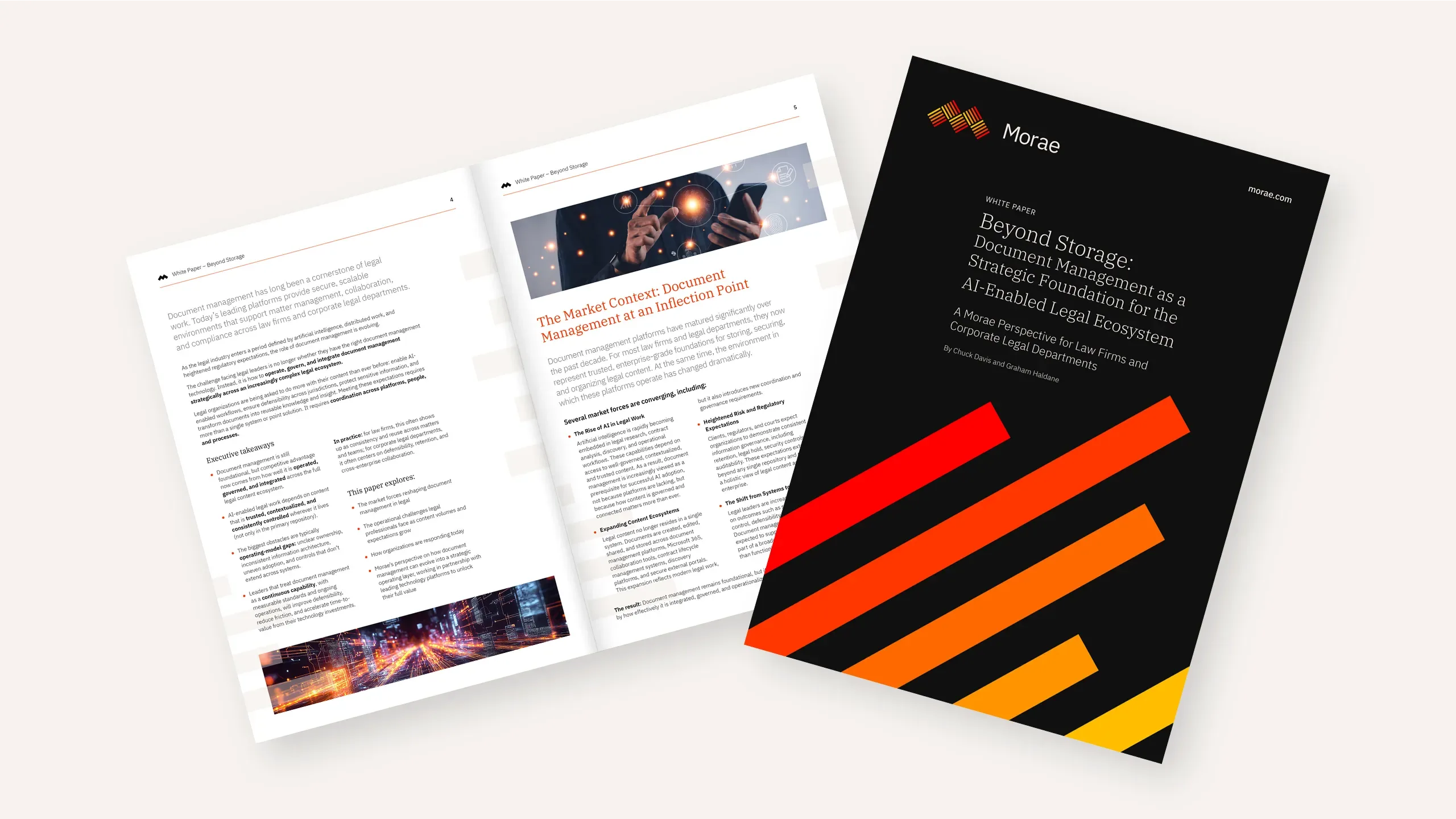
Why document management must evolve into a governed, integrated layer enabling AI and legal value.
White Paper
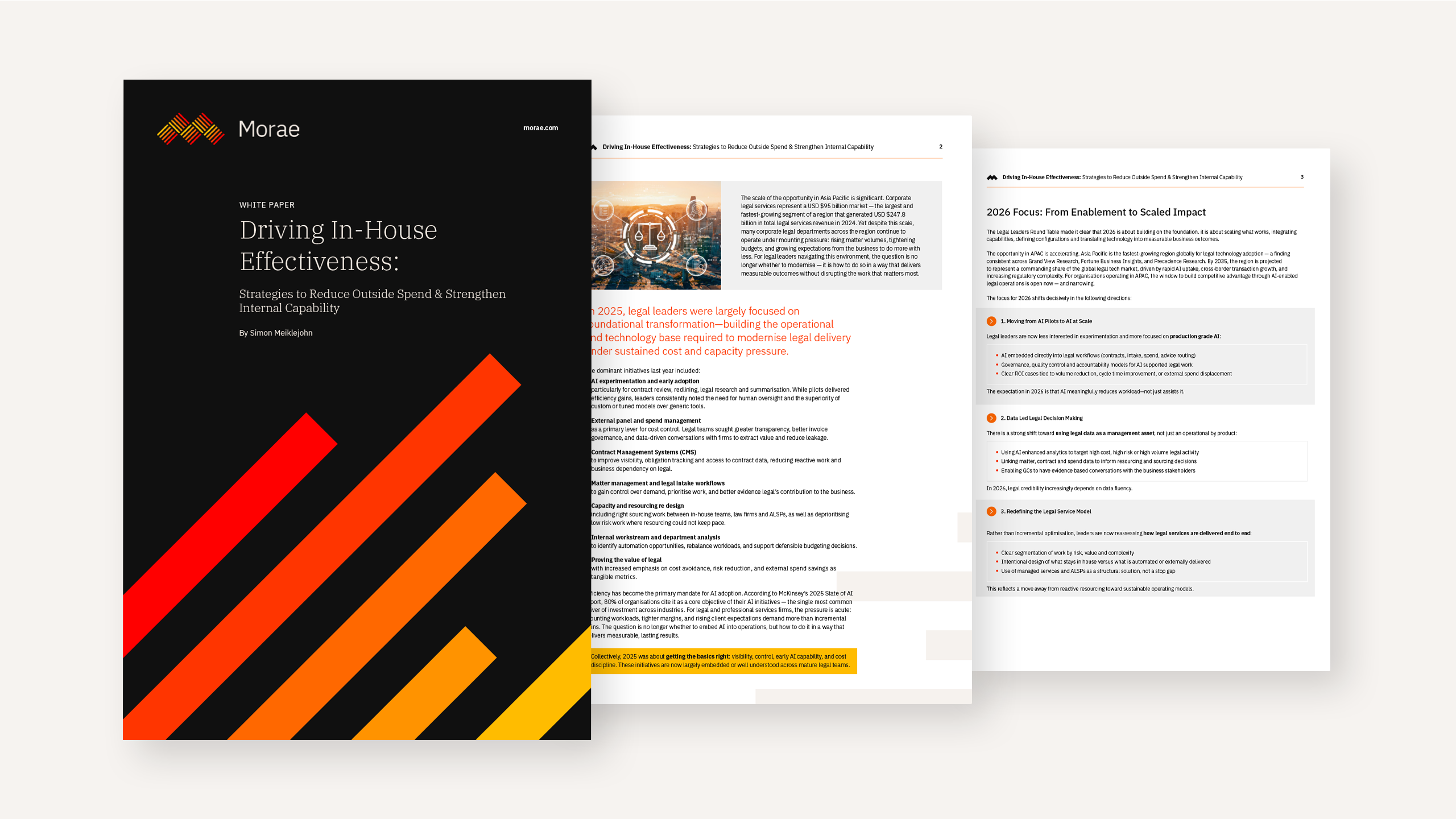
Strategies for legal teams to cut external costs and scale in-house capability with AI and data.
White Paper
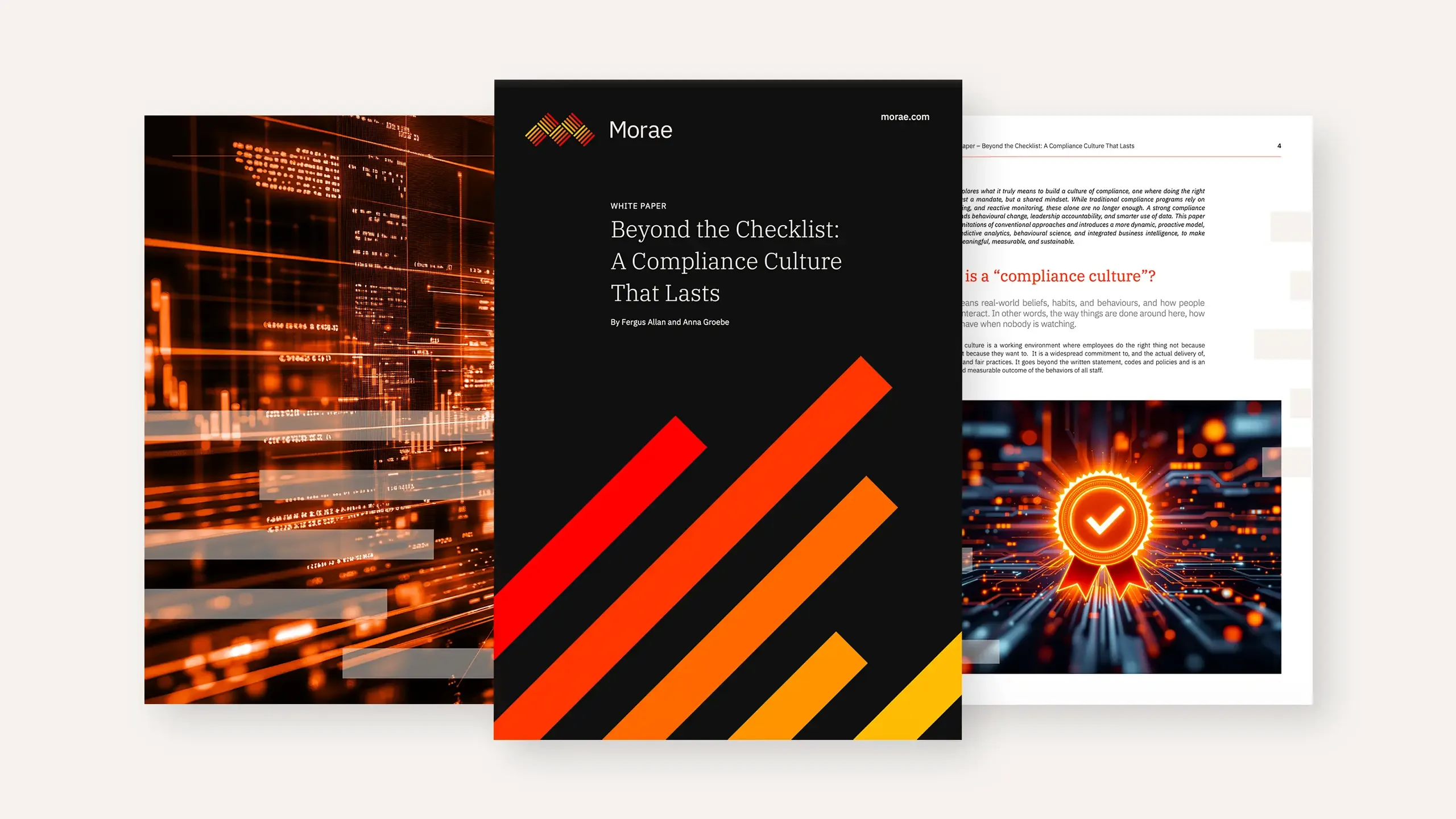
Discover how to move from policies to practice—and make compliance a shared mindset across your organization.
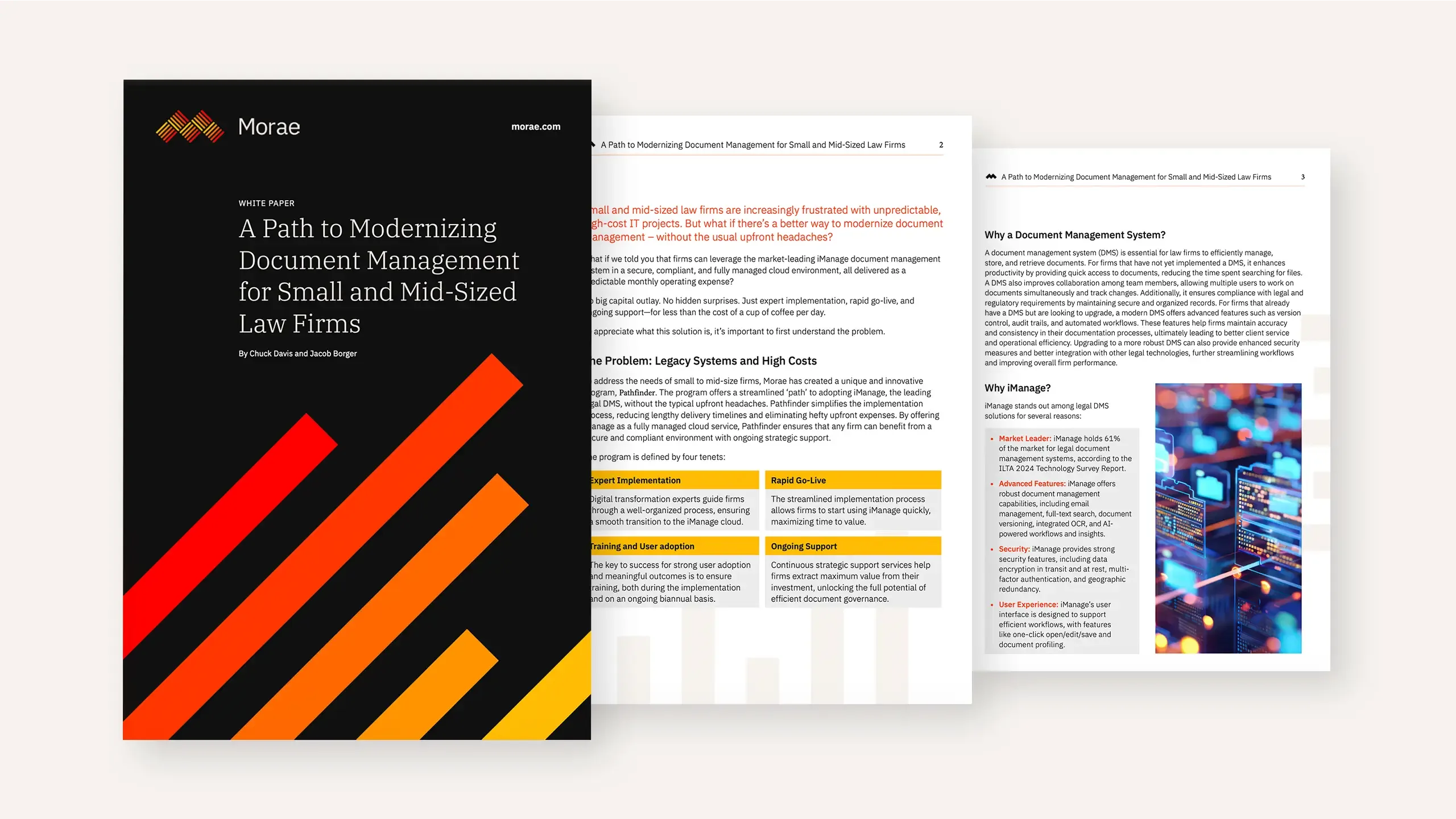
White Paper
Implementing the iManage document management system in a secure, compliant and fully managed cloud environment
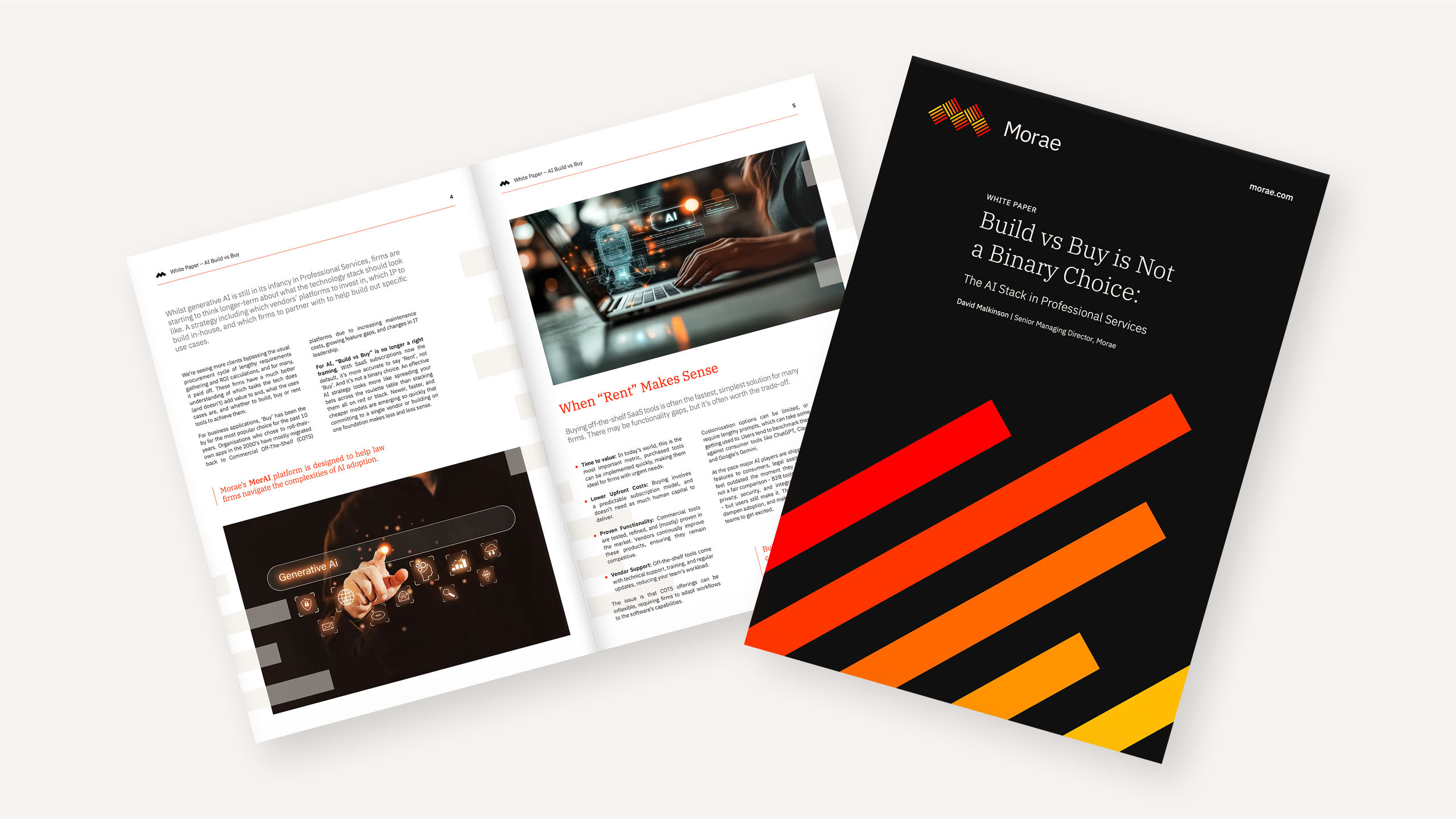
White Paper
Firms increasingly face a pivotal decision—should they build their own AI solutions or buy them off the shelf?

White Paper
Learn how we helped cut client costs by 75% and meets a one-week deadline with Relativity aiR for review

White Paper
Legal leaders' top 2025 priorities: AI adoption, spend management, and balancing innovation with integrity.